
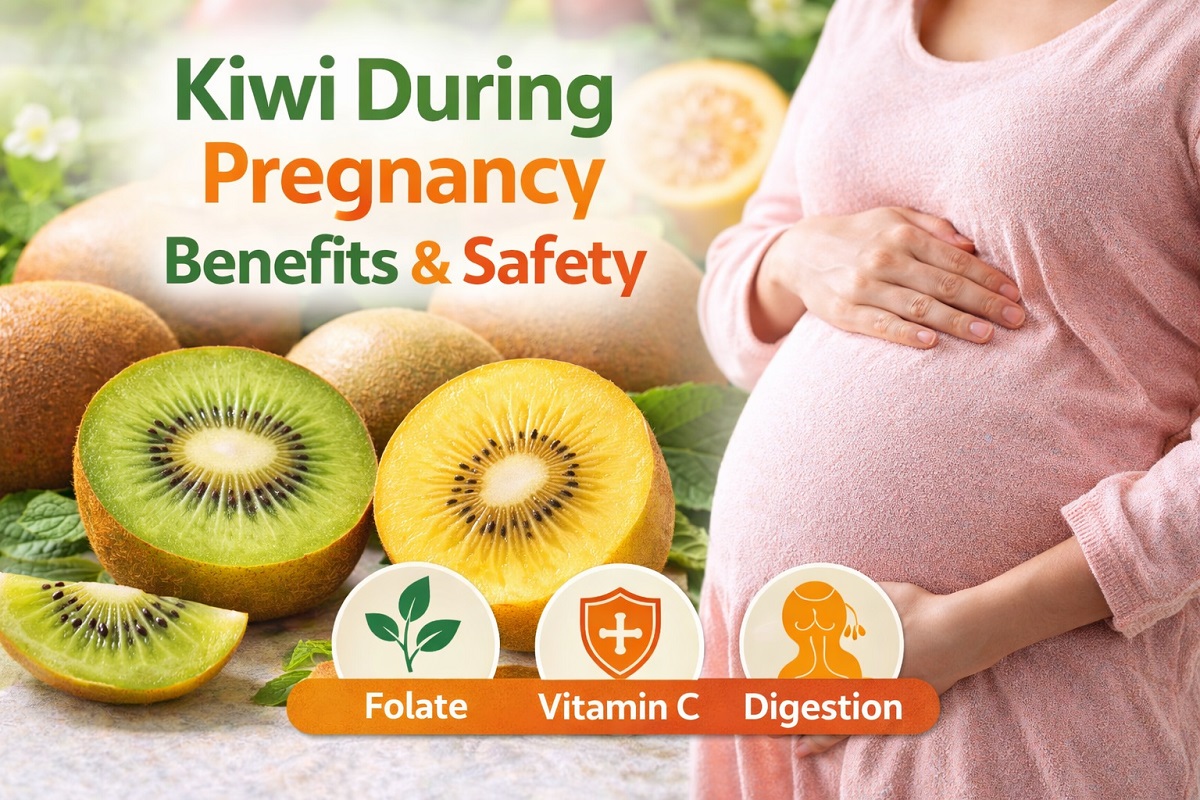
Kiwi During Pregnancy: Benefits, Safety & How Much to Eat
Pregnancy is a time when nutrition becomes especially important. Many expecting mothers look for fruits that provide essential vitamins, support digestion, and are safe for daily consumption. Kiwi is often recommended because of its high vitamin C, fiber, and folate content.
But is kiwi completely safe during pregnancy? And how much is appropriate to eat?
This guide explains the benefits, safety considerations, and precautions of eating kiwi while pregnant.
Is Kiwi Safe During Pregnancy?
For most pregnant individuals, kiwi is considered safe when eaten in moderate amounts as part of a balanced diet.
Kiwi provides several nutrients that support maternal health and fetal development. However, individuals with food allergies or specific medical conditions should consult their healthcare provider before introducing new foods.
Nutritional Benefits of Kiwi During Pregnancy
1. Rich in Vitamin C
Kiwi is one of the richest fruit sources of vitamin C. This nutrient supports immune health and helps the body absorb iron, which is essential during pregnancy to prevent anemia.
2. Natural Source of Folate
Folate (vitamin B9) plays a critical role in early fetal development, particularly in neural tube formation. Kiwi contains natural folate, which contributes to daily intake alongside prenatal supplements.
3. Supports Digestive Health
Constipation is common during pregnancy. Kiwi contains fiber and the enzyme actinidin, which may help support digestion and bowel regularity.
4. Antioxidant Protection
Kiwi contains antioxidants such as vitamin C and vitamin E, which help reduce oxidative stress in the body.
Can Kiwi Help With Pregnancy Constipation?
Many pregnant women experience slowed digestion due to hormonal changes. Kiwi’s fiber content may support regular bowel movements when combined with adequate hydration and physical activity.
Eating one kiwi per day is often sufficient to provide digestive support without excessive fiber intake.
Are There Any Risks?
While kiwi is safe for most people, some precautions apply.
1. Kiwi Allergy
Individuals with a known kiwi allergy should avoid consumption. Symptoms may include itching, swelling, or more serious allergic reactions.
2. Latex-Fruit Syndrome
Pregnant individuals with latex allergy may experience cross-reactivity with kiwi. This condition is known as latex-fruit syndrome.
3. Oral Allergy Syndrome
Those with pollen allergies may experience mild itching or irritation after eating raw kiwi. Cooking may reduce this effect.
4. Digestive Sensitivity
Eating large quantities may cause mild stomach discomfort or loose stools due to fiber and natural enzymes.
How Much Kiwi Is Safe During Pregnancy?
Moderation is key. One to two kiwis per day is generally considered safe for most pregnant individuals without allergies.
As with all dietary choices during pregnancy, personal medical history and professional guidance should be considered.
Green vs Golden vs Red Kiwi During Pregnancy
All common kiwi varieties are nutritionally beneficial:
- Green kiwi: Higher fiber content
- Golden kiwi: Higher vitamin C concentration
- Red kiwi: Contains additional antioxidants
Choice depends on taste preference and digestive comfort.
Frequently Asked Questions
Is kiwi safe in early pregnancy?
Yes, kiwi is generally safe in early pregnancy and provides folate and vitamin C, which support early fetal development.
Can kiwi help prevent anemia during pregnancy?
Kiwi contains vitamin C, which helps improve iron absorption from plant-based foods. However, it should complement, not replace, medical treatment.
Can pregnant women eat kiwi daily?
Most pregnant individuals can safely eat one to two kiwis daily unless advised otherwise by a healthcare provider.
Does kiwi cause miscarriage?
There is no scientific evidence that kiwi causes miscarriage in healthy pregnancies.
Should I avoid kiwi if I have allergies?
Yes, individuals with kiwi allergy, latex allergy, or oral allergy syndrome should consult a healthcare professional before consumption.
Conclusion
Kiwi can be a nutritious addition to a pregnancy diet, offering vitamin C, folate, fiber, and antioxidants. For most individuals, moderate consumption is safe and beneficial.
However, anyone with known allergies or medical conditions should consult a qualified healthcare provider before making dietary changes.