
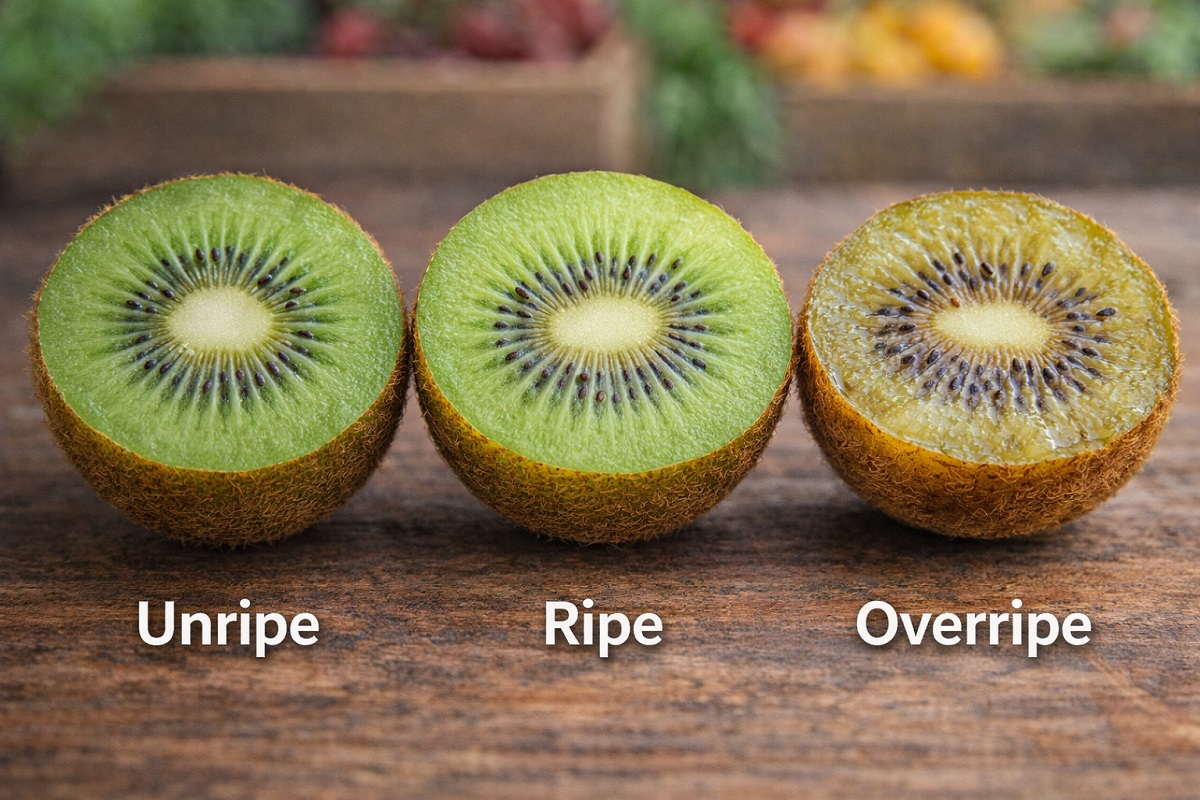
How to Choose Ripe Kiwi: Simple Signs for Perfect Taste
Choosing ripe kiwi fruit is one of the most common challenges buyers face. A kiwi that looks fine on the outside can turn out to be too sour, too hard, or overly mushy once cut open. Because kiwi continues to ripen after harvest, knowing how to judge ripeness at the time of purchase makes a real difference in taste, texture, and shelf life.
This guide explains how to choose ripe kiwi using simple, reliable signs that work in markets, supermarkets, and online deliveries worldwide. The focus here is practical selection, not nutrition or health benefits, which are covered separately.
Why Ripeness Matters When Buying Kiwi
Kiwi fruit develops its best flavor only when it reaches proper ripeness. An unripe kiwi is firm and sharply sour, while an overripe kiwi becomes mushy and bland. Buying kiwi at the right stage ensures:
- Balanced sweetness and acidity
- Pleasant texture
- Better storage life at home
- Less food waste
As explained in our kiwi buying guide, ripeness is more important than size or appearance when it comes to eating quality.
Understanding Kiwi Ripening
Kiwi is harvested while still firm and ripens gradually during storage and transport. Unlike some fruits, kiwi does not always change color noticeably as it ripens, which is why many buyers find it confusing.
Ripening mainly affects:
- Firmness
- Sweetness
- Aroma
- Juiciness
Learning to recognize these changes helps you select kiwi that fits your consumption timeline.
The Thumb Test: Best Way to Check Kiwi Ripeness
The simplest and most reliable method is the gentle thumb press.
- Very hard: Unripe, needs time to soften
- Slightly soft: Ripe and ready to eat
- Very soft or collapsing: Overripe
Press gently near the middle of the fruit. Avoid squeezing too hard, as this damages the flesh.
Skin Appearance: What to Look For
Kiwi skin provides useful ripeness clues, but it should not be the only factor.
- Healthy kiwi has intact skin without cuts
- Minor surface blemishes are normal
- Deep wrinkles may indicate overripeness
- Wet spots or mold signal spoilage
For golden and red kiwi, smoother skin is normal and not a sign of underripeness.
Color Is Not the Best Indicator
Many buyers expect color changes like those seen in bananas or mangoes, but kiwi behaves differently.
- Green kiwi stays brown on the outside
- Golden kiwi remains light-skinned
- Red kiwi shows color mainly inside
This is why firmness matters more than skin color.
Aroma: A Subtle but Helpful Sign
Ripe kiwi gives off a mild, fresh, fruity aroma. You may need to bring it close to your nose to notice it.
- No smell: Likely unripe
- Fresh fruity smell: Ready to eat
- Sour or fermented smell: Overripe
How Ripeness Differs by Kiwi Variety
Green Kiwi
Green kiwi should feel slightly soft but still hold its shape. Too soft means it will be watery and dull in flavor.
Golden Kiwi
Golden kiwi ripens faster and becomes soft sooner. Choose fruit that yields gently but is not fragile.
Red Kiwi
Red kiwi is naturally softer and has a shorter window of perfect ripeness. Buy only if you plan to consume it soon.
Buying Kiwi for Later vs Immediate Use
Your intended use should guide your selection.
- Eat today or tomorrow: Choose ripe, slightly soft kiwi
- Eat over the week: Buy firm kiwi and allow home ripening
- Bulk purchase: Mix firm and semi-ripe fruit
How to Ripen Kiwi at Home
If you buy firm kiwi, ripening it at home is easy.
- Keep at room temperature
- Place near apples or bananas to speed ripening
- Check firmness daily
- Refrigerate once ripe to slow further softening
Common Mistakes When Choosing Ripe Kiwi
- Squeezing too hard in the store
- Judging ripeness by size alone
- Avoiding fuzzy skin unnecessarily
- Buying very soft fruit for later use
How Online Buyers Can Judge Ripeness
When buying kiwi online, ripeness control is limited. To improve results:
- Choose sellers offering firmness options if available
- Order smaller quantities
- Inspect fruit immediately on delivery
- Ripen at home if fruit arrives firm
Conclusion: How to Choose Ripe Kiwi with Confidence
Ripe kiwi should feel gently soft, look healthy, and smell fresh. Firmness is the most reliable indicator, while color and size are secondary. Understanding variety differences and matching ripeness to your consumption timeline prevents disappointment.
With a little practice, selecting ripe kiwi becomes easy and consistent, turning kiwi from a risky purchase into a reliable one.
Frequently Asked Questions (FAQs)
How do I know if kiwi is too ripe?
If it feels very soft, leaks juice, or smells fermented, it is overripe.
Can unripe kiwi be eaten?
Yes, but it will be very firm and sour.
Does fuzzy skin mean kiwi is old?
No, fuzz is natural and unrelated to freshness.
How long does kiwi take to ripen at home?
Usually 2–5 days at room temperature.
Is soft kiwi always bad?
Soft kiwi can be perfect if consumed immediately.
Which kiwi ripens fastest?
Golden and red kiwi ripen faster than green kiwi.