
Kiwi Buying Guide: Best Varieties, Taste, Ripeness & Selection Tips
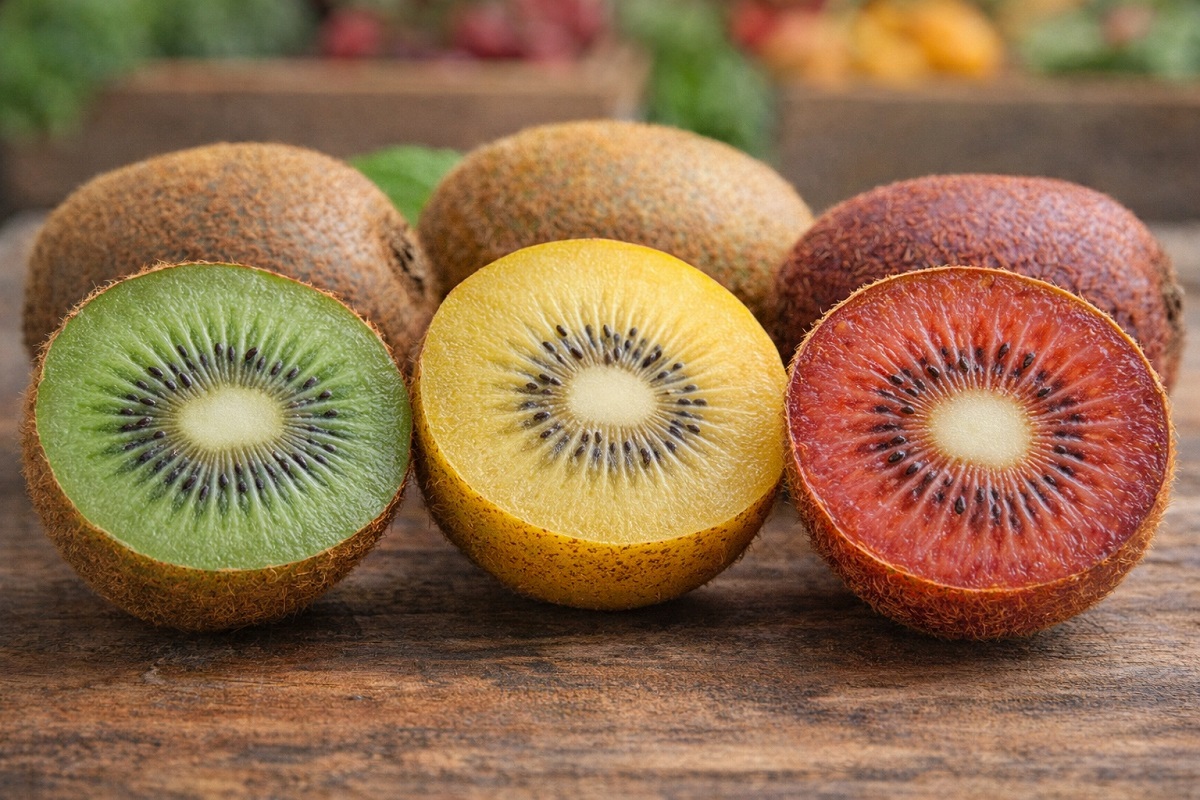
Kiwi fruit has moved from being an occasional specialty fruit to a regular item in supermarkets, local markets, and online grocery platforms across the world. As availability has increased, so has variety. Today, buyers often see green kiwi, golden kiwi, and even red kiwi displayed side by side. While this choice is good for consumers, it also creates confusion.
Not all kiwi fruit tastes the same, ripens the same way, or suits the same purpose. Buying the right kiwi depends on understanding variety, ripeness, quality indicators, seasonality, and intended use. This guide focuses entirely on helping you make confident, informed buying decisions, whether you are shopping for home consumption, hospitality use, or resale.
This article concentrates on how to buy kiwi fruit wisely. Nutritional and health-specific topics are covered separately in our dedicated kiwi health and nutrition guides.
What Is Kiwi Fruit and Why Buying the Right One Matters
Kiwi fruit, also called kiwifruit, is a small, oval-shaped fruit with edible seeds and soft flesh. While its exterior may look simple, the internal quality varies significantly depending on variety, maturity, and handling.
Choosing the wrong kiwi often leads to common disappointments: fruit that is too sour, overly mushy, flavorless, or spoils quickly at home. These problems usually stem from incorrect ripeness selection or misunderstanding how different kiwi types behave.
Buying the right kiwi improves:
- Flavor and eating experience
- Storage life after purchase
- Value for money
- Suitability for intended use (fresh eating, salads, desserts)
Types of Kiwi Available in Global Markets
Modern markets typically offer three main types of kiwi fruit. Each has distinct characteristics that affect taste, texture, price, and buyer preference.
Green Kiwi
Green kiwi is the most widely available and commonly recognized variety. It has brown fuzzy skin and bright green flesh with a tangy-sweet flavor.
- Firm texture when ripe
- Balanced sweetness and acidity
- Longer shelf life compared to softer varieties
- Commonly used in homes, restaurants, and food service
Green kiwi is a safe choice for first-time buyers and those who prefer a refreshing, slightly sharp taste.
Golden Kiwi
Golden kiwi features smoother skin and yellow-golden flesh. It is generally sweeter and less acidic than green kiwi.
- Smoother skin with little or no fuzz
- Sweeter flavor profile
- Softer flesh when ripe
- Often priced higher due to limited supply
Golden kiwi appeals to buyers who dislike tangy fruits or prefer a dessert-like sweetness.
Red Kiwi
Red kiwi is a newer variety appearing in many global markets. It has a distinctive red or crimson center surrounded by lighter flesh.
- Visually striking interior
- Mild sweetness with berry-like notes
- Softer texture and shorter shelf life
- Often sold in premium or limited batches
Red kiwi is popular among consumers seeking novelty, visual appeal, and unique flavor experiences.
Taste Profile Comparison
Understanding taste differences helps buyers choose kiwi that matches their preferences.
- Green kiwi: Tangy, refreshing, slightly acidic
- Golden kiwi: Sweet, smooth, low acidity
- Red kiwi: Mild sweetness with subtle berry notes
If you prefer citrus-like sharpness, green kiwi is ideal. For dessert bowls or children, golden or red kiwi often works better.
How to Check Kiwi Quality Before Buying
Quality assessment does not require special tools. Simple observation and touch can reveal most issues.
Firmness
Gently press the kiwi with your thumb:
- Too hard: Unripe
- Slight give: Ready to eat
- Very soft: Overripe
Skin Condition
Choose fruit with:
- Even skin color
- No deep wrinkles
- No wet or moldy spots
Minor surface blemishes are normal and do not affect internal quality.
Aroma
Ripe kiwi emits a mild, fruity smell. A sour or fermented odor indicates spoilage.
Size Myths
Bigger kiwi does not always mean better taste. Medium-sized fruit often offers better flavor concentration.
Ripeness Guide: Unripe vs Ready vs Overripe
Understanding ripeness prevents waste and disappointment.
- Unripe: Very firm, sour taste, suitable for ripening at home
- Ready: Slightly soft, aromatic, best flavor
- Overripe: Mushy texture, dull taste, short shelf life
Buy firmer kiwi if you plan to store it for several days.
Seasonality and Availability (Global View)
Kiwi is harvested during cooler months in most producing regions. Local harvest seasons vary by hemisphere.
- Peak quality during local harvest months
- Imported kiwi ensures year-round supply
- Off-season fruit may rely on cold storage
Seasonal kiwi generally offers better flavor and value.
Organic vs Conventional Kiwi
Both organic and conventional kiwi are available in many markets.
- Organic kiwi is grown without synthetic pesticides
- Conventional kiwi is usually more affordable
- Peeling reduces surface residue concerns
Choice depends on personal preference and budget rather than quality alone.
Price Factors Explained
Kiwi prices vary due to:
- Variety (red and golden cost more)
- Seasonality
- Import costs
- Packaging and branding
Higher price does not always guarantee better taste.
How to Store Kiwi After Buying
- Unripe kiwi: Room temperature
- Ripe kiwi: Refrigerate
- Cut kiwi: Consume within 24 hours
- Avoid storing near strong-smelling foods
Common Buying Mistakes
- Buying overly soft fruit
- Judging quality by size alone
- Ignoring variety differences
- Buying bulk without checking ripeness
Who Should Choose Which Type of Kiwi
- Green kiwi: Everyday use, salads, general buyers
- Golden kiwi: Sweet preference, children, desserts
- Red kiwi: Visual appeal, gifting, premium use
Summary: How to Buy Kiwi Confidently
Buying good kiwi is about understanding variety, ripeness, and intended use. Green, golden, and red kiwi each serve different preferences. Paying attention to firmness, skin condition, and seasonality helps avoid poor-quality fruit.
This guide focuses exclusively on selection and buying decisions. For nutrition, digestion, immunity, and health-related topics, explore our dedicated kiwi health resource section.
With the right approach, kiwi fruit becomes a reliable, enjoyable purchase rather than a gamble.
Frequently Asked Questions (FAQs)
How many days does kiwi last after buying?
Ripe kiwi lasts 5–7 days in the refrigerator.
Can I ripen kiwi at home?
Yes, store unripe kiwi at room temperature. Placing it near bananas speeds ripening.
Is red kiwi harder to store?
Yes, red kiwi is softer and should be consumed sooner.
Does fuzzy skin mean poor quality?
No, fuzziness is natural and does not affect taste.
Should I buy kiwi in bulk?
Only if most fruit is firm and you plan staggered consumption.
Can kiwi be frozen?
Yes, peeled and sliced kiwi can be frozen for smoothies.