
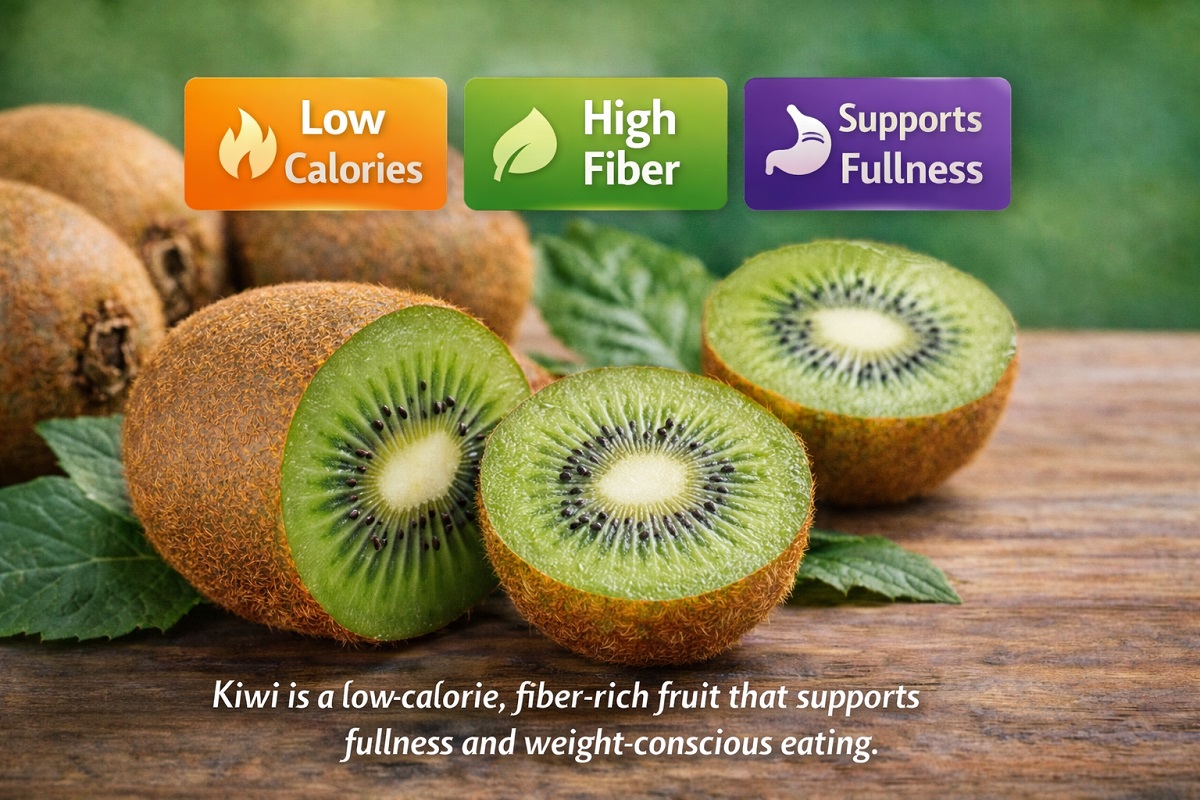
Kiwi for Weight Loss: Calorie Density, Fiber, and Satiety
Weight loss is rarely about one “magic” food. In real life, it comes down to daily habits, food choices, portion control, and consistency. Fruits like kiwi often appear in weight-conscious diets not because they burn fat, but because they help people eat better overall.
Kiwi fruit benefits stands out in this context due to its low calorie density, high fiber content, and ability to create a feeling of fullness. This article explains how kiwi fits into weight-loss–oriented eating patterns in a practical and realistic way, without exaggeration or unrealistic promises.
Understanding Weight Loss Beyond Calories
Most people understand weight loss as a simple equation of calories in versus calories out. While calories do matter, the type of food consumed plays a major role in hunger control, energy levels, and long-term adherence to a diet.
Foods that are low in calories but high in volume, fiber, and water tend to be easier to include consistently. Kiwi falls into this category, making it a supportive food rather than a restrictive one.
What Makes Kiwi Suitable for Weight-Conscious Diets?
1. Low Calorie Density
Calorie density refers to how many calories a food contains relative to its weight or volume. Kiwi is naturally low in calories, providing roughly 60 calories per 100 grams.
This means you can eat a reasonable portion of kiwi without significantly increasing total calorie intake. For people trying to reduce energy-dense snacks such as sweets or fried foods, kiwi works as a lighter alternative.
2. High Water Content
Kiwi contains a high proportion of water, which adds volume to meals and snacks. Foods with higher water content tend to promote fullness, helping people feel satisfied with smaller portions.
This is why kiwi is often included in fruit bowls, smoothies, or eaten on its own as a mid-day snack.
3. Dietary Fiber and Fullness
Fiber plays a key role in appetite regulation. Kiwi contains both soluble and insoluble fiber, which slows digestion and helps maintain a steady release of energy.
People who consume enough fiber throughout the day often experience fewer hunger spikes and less frequent snacking. Kiwi contributes to daily fiber intake without being heavy or difficult to digest.
The role of fiber and enzymes in digestion is discussed in detail in our guide on kiwi for digestive health.
Satiety: Why Feeling Full Matters
Satiety is the feeling of fullness that reduces the desire to eat between meals. Weight loss becomes more manageable when meals and snacks keep hunger under control.
Kiwi supports satiety through:
- Fiber that slows stomach emptying
- Natural sugars that provide quick but balanced energy
- Low fat and low calorie load
For many people, eating kiwi between meals helps reduce cravings for high-calorie snacks.
Best Ways to Use Kiwi for Weight Management
1. As a Mid-Morning or Afternoon Snack
One ripe kiwi eaten alone or with a handful of nuts can bridge the gap between meals without excessive calories.
2. Before Meals
Eating kiwi shortly before a main meal may help reduce overall portion size by increasing fullness. This works best when combined with mindful eating.
The timing of kiwi consumption is explained further in our article on the best time to eat kiwi.
3. In Breakfast Bowls and Smoothies
Kiwi adds volume, fiber, and flavor to breakfast without adding excess calories. When paired with protein sources like yogurt or seeds, it helps create a balanced start to the day.
Green Kiwi vs Golden Kiwi for Weight Loss
Both green and golden kiwi can support weight-conscious eating, but there are small differences:
- Green kiwi: Slightly higher fiber, more tangy, often preferred for satiety
- Golden kiwi: Sweeter taste, lower acidity, slightly higher natural sugar
From a weight-loss perspective, portion size matters more than the variety. Choosing whichever type fits your taste makes consistency easier.
How Much Kiwi Is Reasonable Per Day?
For most people, one to two kiwi fruits per day fits well within a balanced diet. Eating more does not necessarily lead to better results and may cause digestive discomfort in some individuals.
As explained in our kiwi nutrition facts guide, moderation and variety remain essential for long-term dietary success.
Common Mistakes to Avoid
- Relying on kiwi alone for weight loss
- Adding kiwi to high-sugar desserts and juices
- Ignoring total calorie intake
- Overconsumption leading to stomach discomfort
Kiwi works best as part of a broader eating pattern that includes vegetables, whole grains, proteins, and healthy fats.
Does Kiwi Burn Fat?
Kiwi does not directly burn fat. No fruit does. However, kiwi supports weight management by helping control hunger, improving diet quality, and replacing energy-dense foods.
When people say kiwi “helps with weight loss,” they usually mean it makes healthier eating easier and more sustainable.
Who Should Be Cautious?
- People with known kiwi or latex-related allergies
- Those with very sensitive digestion
- Individuals advised to limit certain fruits for medical reasons
For most healthy adults, kiwi is safe when eaten in normal quantities.
Conclusion: Is Kiwi Helpful for Weight Loss?
Kiwi is not a shortcut to weight loss, but it is a useful tool. Its low calorie density, fiber content, and natural ability to promote fullness make it easier to manage hunger and maintain healthier eating habits.
When included thoughtfully—alongside balanced meals and regular activity—kiwi supports a realistic and sustainable approach to weight management rather than quick or extreme results.
Frequently Asked Questions (FAQs)
Can kiwi help reduce belly fat?
Kiwi does not target belly fat specifically, but it can support overall weight management when included in a balanced diet.
Is kiwi good to eat at night for weight loss?
Most people can eat kiwi in the evening without issues, though sensitive individuals may prefer earlier consumption.
How many calories are in one kiwi?
One medium kiwi typically contains around 40–45 calories.
Is kiwi better than banana for weight loss?
Kiwi is lower in calories and sugar than banana, but both can fit into weight-conscious diets depending on portion size.
Can I eat kiwi every day while dieting?
Yes, eating one kiwi daily is generally safe and can support dietary variety.
Does kiwi reduce appetite?
Kiwi supports satiety due to fiber and water content, which may help reduce unnecessary snacking.