
Kiwi Fruit Benefits: Nutrition, Health, Uses & Daily Consumption
Kiwi fruit may look small and simple from the outside, but anyone who eats it regularly knows it is one of the most versatile and nutrient-dense fruits available today. From breakfast bowls in city homes to small orchards in temperate hill regions, kiwi fruit has gradually become part of everyday food choices across many parts of the world.
In real life, people consume kiwi for different reasons. Some eat it to support digestion, while others include it for immunity-related nutrition. Nutrition-conscious consumers value its balanced nutrient profile. This article explains kiwi fruit benefits in a practical, grounded way, without exaggeration, covering nutrition, daily use, its benefits, and common challenges.
What Is Kiwi Fruit?
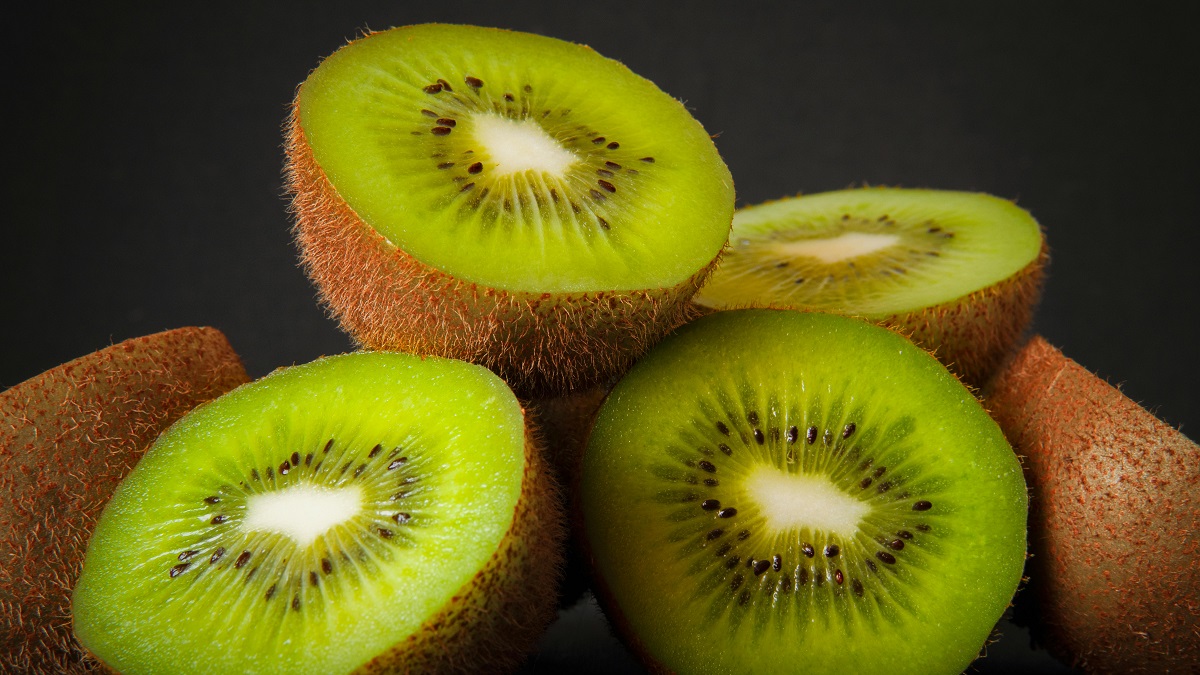
Kiwi fruit, also known as kiwifruit or Chinese gooseberry, is a small, oval-shaped fruit with thin brown fuzzy skin and bright green or golden flesh. The flesh is soft, juicy, and slightly tangy or sweet depending on the variety. Tiny black seeds are spread throughout the center and are completely edible.
Although kiwi is commonly associated with modern diets, its cultivation history goes back several centuries. The fruit originated in parts of China and later gained global popularity after commercial cultivation expanded into other temperate regions. Today, kiwi is grown in many countries with suitable climate conditions and is traded widely in international markets.
Main Types of Kiwi Fruit
- Green kiwi – Known for its tangy flavor and higher fiber content. It is the most widely available variety and commonly used in households, restaurants, and food processing.
- Golden kiwi – Sweeter in taste with smoother skin and lower acidity. It is often priced higher and preferred by people who find green kiwi too sharp.
Both varieties offer similar nutritional benefits. Taste preference, availability, and price usually determine which type people choose, as explained in our green kiwi vs golden kiwi comparison.
Why Kiwi Fruit Is Considered Nutrient-Dense
Kiwi fruit is considered nutrient-dense because it delivers multiple essential nutrients without being high in calories. Unlike fruits that mainly provide natural sugars or water content, kiwi offers vitamins, minerals, fiber, and natural enzymes together in one serving.
This balanced profile makes kiwi suitable for people aiming to improve overall dietary quality rather than focusing on isolated nutrients. When eaten whole, kiwi retains fiber and bioactive compounds that are often reduced or lost in juices and processed fruit products.
Nutritional Value of Kiwi Fruit (Per 100 g Approx.)
Kiwi fruit is valued not because of a single standout nutrient, but because of how its nutrients work together.
- Energy: ~60 kcal
- Vitamin C: Very high, often higher than citrus fruits
- Dietary Fiber: A mix of soluble and insoluble fiber
- Vitamin K: Supports normal body functions
- Potassium: Helps maintain fluid balance
- Folate: Important for cell growth and maintenance
This nutrient balance is one reason kiwi is commonly recommended as part of a daily fruit rotation. A detailed breakdown of vitamins, minerals, and calorie contribution is explained in our kiwi nutrition facts guide.
Key Kiwi Fruit Benefits for Daily Life
1. Supports Digestion Naturally
One of the most commonly experienced kiwi fruit benefits is digestive comfort. Kiwi contains a natural enzyme called actinidin, which helps break down protein during digestion.
In everyday use, people who feel heaviness after meals often eat half or one kiwi after lunch or dinner. This enzyme activity is also why kiwi is sometimes used in meat marinades, although excessive use can soften meat too much.
The fiber content further supports regular bowel movement when combined with adequate water intake. For many people, this makes kiwi a gentle and food-based option for digestive balance. Read here all the benefits of kiwi in digestive health.
2. Helps Strengthen Immunity Through Nutrition
Kiwi fruit is widely known for its vitamin C content. Including kiwi regularly, especially during seasonal changes or colder months, helps people meet daily vitamin needs through natural foods rather than supplements.
This is why kiwi is commonly included in fruit salads, breakfast bowls, smoothies, and school meals. It works best as part of a varied diet that includes vegetables, whole grains, and proteins.
3. Supports Heart-Friendly Eating Habits
Kiwi provides potassium and fiber, two nutrients commonly associated with balanced eating patterns. People who aim to reduce excessive sodium intake often include potassium-rich fruits such as kiwi, bananas, and citrus fruits.
From a practical standpoint, kiwi works well as a snack replacement for fried or heavily processed foods, especially for office workers and students looking for convenient, fresh options.
4. Helps Maintain Healthy Skin Through Diet
Vitamin C contributes to collagen formation, which is why kiwi is often linked with skin nutrition. Many people notice gradual improvement in skin appearance when they replace highly processed snacks with fresh fruits.
While kiwi is sometimes used in homemade face packs, dietary intake offers more consistent nutritional support than topical application alone.
5. Supports Eye Health Nutritionally
Kiwi contains antioxidants such as lutein and zeaxanthin. These compounds are also present in leafy vegetables and are known to support eye-related nutrition.
Including kiwi along with vegetables, legumes, and seasonal fruits helps create a balanced approach rather than relying on one food item.
6. Aids Weight-Conscious Eating
Kiwi fruit is low in calories and high in fiber, which helps create a feeling of fullness. This makes it suitable for people managing portion sizes or reducing unnecessary snacking.
Many nutrition-conscious individuals eat kiwi as a mid-morning snack or light pre-workout food. As explained in our daily fruit intake guide, portion control still plays an important role.
7. Supports Better Sleep Quality Through Nutrition
Kiwi fruit contains naturally occurring compounds such as serotonin precursors and antioxidants that are associated with sleep quality and rest patterns. While kiwi is not a sleep aid, many people include it in their evening routine as part of a balanced diet.
Eating kiwi as an evening fruit or light post-dinner snack works well for individuals who tolerate fruit at night. The effect varies from person to person, but kiwi’s low calorie content and easy digestibility make it a popular choice.
A detailed explanation of how kiwi relates to sleep duration, antioxidant activity, and timing is covered in our guide on kiwi for sleep quality.
Best Time to Eat Kiwi Fruit
Kiwi can be eaten at different times of the day depending on personal routine and tolerance.
- Morning: Often preferred for hydration and digestion
- After meals: Supports protein digestion
- Before physical activity: Light and easy to digest
- Evening: Suitable for most people, though sensitive individuals may prefer earlier consumption
Knowing the best time to eat kiwi can help you get the most out of its digestive and antioxidant benefits. A full explanation of timing and health benefits is covered in our guide on when to eat kiwi.
How Kiwi Fits into Different Diet Patterns
Kiwi integrates easily into many eating styles without requiring major dietary changes.
- Plant-based diets: Provides essential vitamins and fiber
- Low-fat diets: Naturally low in fat
- High-protein diets: Enzyme content complements protein intake
- Weight-management plans: Supports fullness with low energy density
How to Eat Kiwi Fruit in Daily Life
Kiwi fruit is easy to include in daily meals, which is one reason it has gained popularity across different age groups and lifestyles. Unlike fruits that require cooking or preparation, kiwi can be eaten raw, added to meals, or blended into drinks with minimal effort.
Many people eat kiwi as part of breakfast, while others prefer it between meals as a light snack. Some include it before meals to support digestive comfort, while others enjoy it as a fresh alternative to sugary desserts. The best approach depends on personal routine, digestive sensitivity, and taste preference.
For detailed guidance on daily usage, serving ideas, and simple recipes, refer to our dedicated guide on how to eat kiwi daily, which covers timing, combinations, and practical meal ideas.
Traditional and Modern Uses of Kiwi Fruit
Traditionally, kiwi was consumed fresh and raw. Over time, its use expanded into desserts, bakery items, smoothies, and restaurant dishes due to its bright color and refreshing flavor.
Because of its enzyme content, kiwi is best added fresh rather than cooked for long periods. Prolonged heating reduces both enzyme activity and vitamin C content.
Can You Eat Kiwi Skin and Seeds?
Kiwi seeds are completely edible and contribute to fiber intake. The skin is also edible, although its fuzzy texture may not be appealing to everyone.
Golden kiwi skins are smoother and more commonly eaten whole. If consuming the skin, thorough washing is essential.
Seasonality and Availability of Kiwi Fruit
Kiwi is typically harvested during cooler months in most producing regions. Fresh local kiwi is usually available from late autumn to early spring, while imports help maintain year-round availability in global markets.
During peak season, kiwi tends to offer better flavor, texture, and value.
Why Kiwi Is Gaining Importance as a Fruit Crop
Kiwi is increasingly viewed as a high-value fruit crop due to rising consumer demand, good storage life, and export potential. Farmers in suitable climates are adopting kiwi cultivation as part of diversification strategies.
Understanding kiwi fruit benefits helps growers market their produce more effectively and align cultivation with consumer demand.
Storage and Handling Tips
- Store unripe kiwi at room temperature
- Refrigerate ripe kiwi to extend shelf life
- Keep away from strong-smelling fruits
- Consume cut kiwi within 24 hours
Limitations and Precautions
While kiwi is generally safe for most people, a few precautions are worth noting.
- Mild mouth irritation may occur in sensitive individuals
- Excess intake can cause digestive discomfort
- People with known fruit allergies should be cautious
Conclusion: Is Kiwi Fruit Worth Including in Your Diet?
Kiwi fruit benefits come from balanced nutrition, versatility, and ease of inclusion. Whether you are a health-conscious consumer, a farmer exploring high-value crops, or a home gardener seeking long-term productivity, kiwi fits naturally into many lifestyles.
When eaten as part of a varied diet and chosen seasonally, kiwi fruit proves to be a practical, long-term addition rather than a passing trend.
Frequently Asked Questions (FAQs)
Can I eat kiwi fruit every day?
Yes, most people can safely eat one kiwi daily as part of a balanced diet.
Is kiwi fruit good for digestion?
Kiwi contains fiber and natural enzymes that support normal digestion.
Which is better: green kiwi or golden kiwi?
Both are nutritious. Green kiwi is tangy and fiber-rich, while golden kiwi is sweeter and milder.
Is kiwi fruit suitable for children?
Yes, ripe kiwi is suitable for children when introduced in small quantities.
Can kiwi be eaten on an empty stomach?
Most people tolerate kiwi well, though sensitive individuals may prefer eating it after meals.
When is the best season to buy kiwi fruit?
Local harvest seasons usually offer the best quality and value.
Are kiwi seeds safe to eat?
Yes, kiwi seeds are completely edible.
How should kiwi fruit be stored at home?
Unripe kiwi can be stored at room temperature, while ripe fruit should be refrigerated.